

COLUMN: The Projectionist #3
Kurzel's Moment


If a second Australian New Wave cinematic movement exists, it may be happening now.
Filmmakers such as Andrew Dominik (The Assassination of Jesse James by the Coward Robert Ford and Blonde), David Michôd (Animal Kingdom and The King), Jennifer Kent (The Nightingale), Cate Shortland (Lore), Warwick Thornton (Samson & Delilah), and Shannon Murphy (Babyteeth), among others, have been at the forefront of the country’s apparent cinematic resurgence over the last fifteen years, creating compelling images and narratives that investigate both the light and darkness of human behavior.
These projects range from inventive genre films to critically acclaimed dramas, with First New Waver filmmakers like George Miller (Mad Max: Fury Road) and John Hillcoat (Lawless) also continuing to produce vital work.
But one Aussie director, who often tends to focus on the darker side, is having a particularly creatively fertile moment this year: Justin Kurzel.
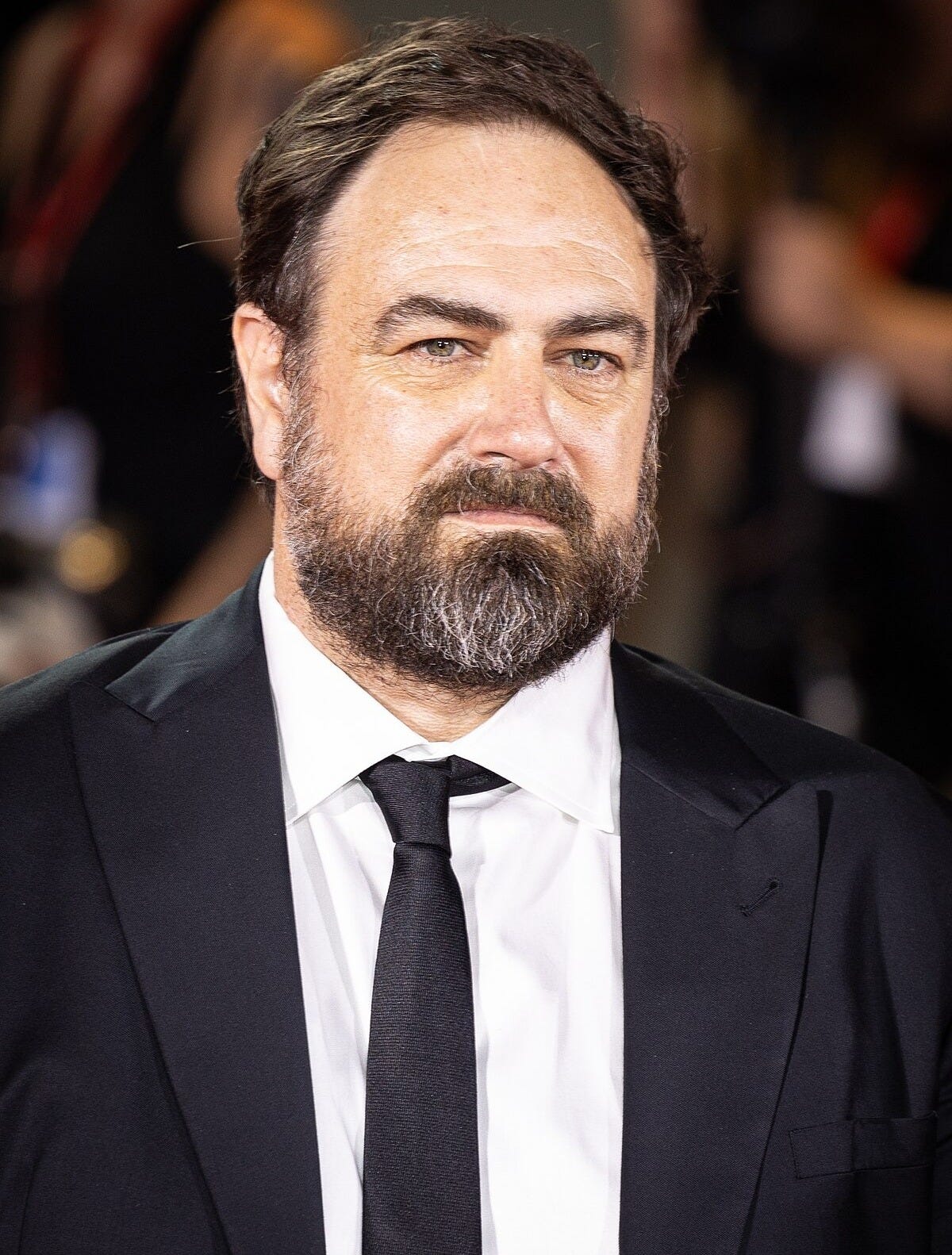
After studying at the National Institute of Dramatic Art in Sydney in the nineties, Kurzel began making short films as well as shooting music videos for rock bands like You Am I and The Mess Hall, the latter founded by his brother Jed.
In 2011, he made his feature debut with Snowtown, a true crime drama centering on the Snowtown murders, a series of killings committed in South Australia in the 1990s. He followed that film up with the Shakespeare adaptation Macbeth (2015), starring Michael Fassbender and Marion Cotillard, and reunited with Fassbender a year later for Assassin’s Creed (2016), based on the popular video game. While moving from true crime to Shakespeare to a video game adaptation shows range on one hand, on the other, all three are masculine tales of dangerous killers pushed past societal order to the brink of sanity and control.
This brings us to Kurzel’s 2019 film True History of the Kelly Gang, which feels like a turning point in his career. He continues his murderous men trope by telling the tale of legendary outlaw Ned Kelly (after the story had been told in 1970 and 2003), but here the famous Australian is the subject of a postmodern film based on a postmodern novel by Peter Carey. Kurzel was able to play with structure, mood, and pace in telling Kelly’s in three sections (Boy, Man, Monitor) while raising questions about identity, myth, and storytelling. It’s an intense, electric, historical, violent, arthouse film with a keen eye for detail and stellar performances led by George MacKay, who plays the titular role. While the film was a critical hit, it unfortunately hit U.S. theaters at the same time as the coronavirus but is the kind of film that could easily attract a cult following if it hasn’t already.
Then, in 2021, Kurzel directed Nitram, starring Caleb Landry-Jones, and based on the true story of Martin Bryant, who was involved in the 1996 Port Arthur massacre. This time, Kurzel focuses his film on the psychological and social precursors to his killer’s descent into violence, bringing it somewhat full circle to his debut film. Though it was met with controversy in Tasmania, Kurzel had another critical hit on his hands, winning several awards, including Best Film at the Australia Academy of Cinema and Television Arts Awards, while Landry-Jones took home the Best Actor award at the Cannes Film Festival.
Three years later, a seemingly re-energized Kurzel returned with a new feature, The Order (2024), kicking off a fruitful year.
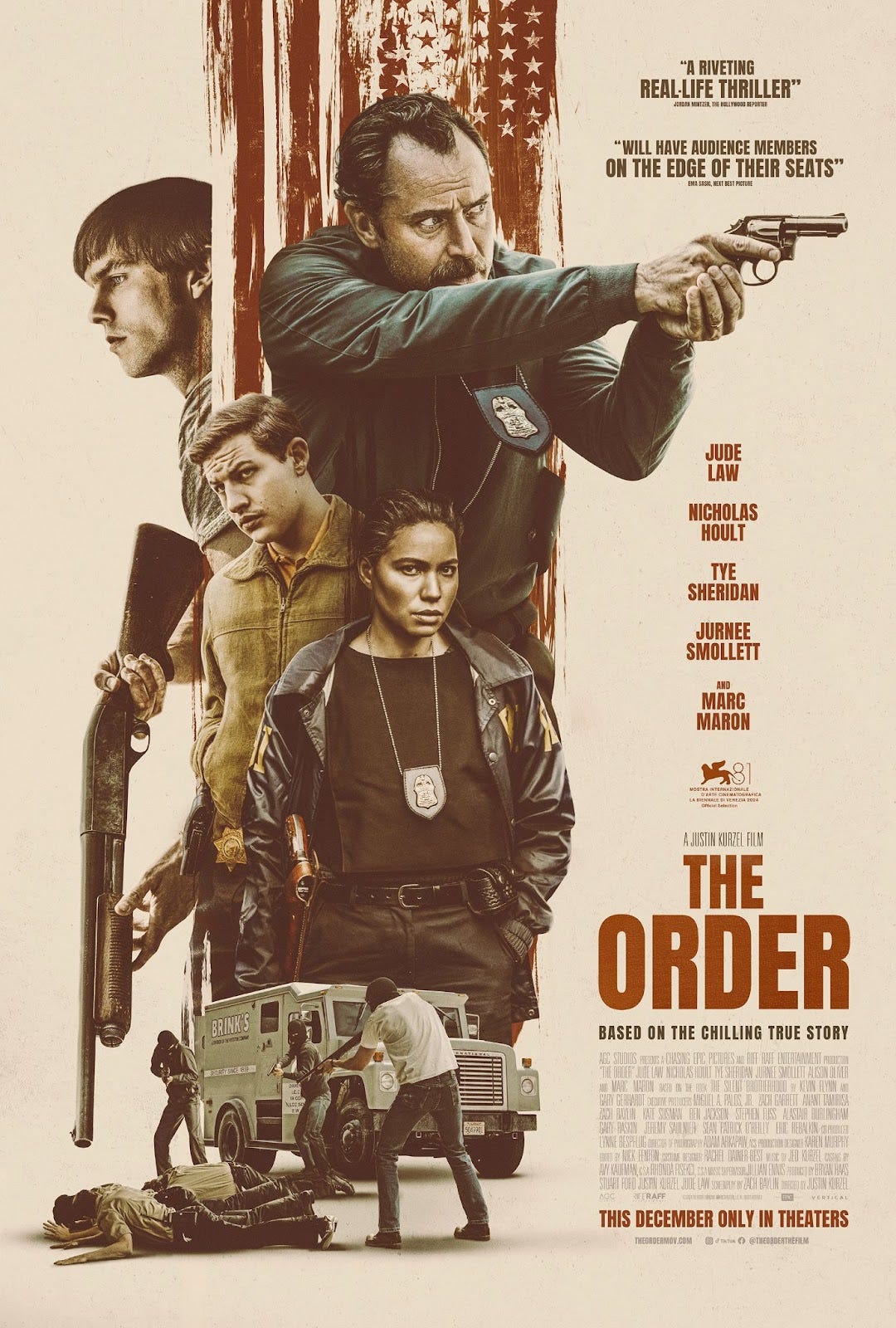
The Order is another true crime drama (four of his six features are based on real crime stories, if you count the Ned Kelly picture, with one on the way), but this story is based on the 1980s neo-Nazi white supremacist group, The Order, and their violent crime wave across the Pacific Northwest. Jude Law plays the gum-chewing FBI agent Terry Husk, who goes undercover to investigate the group after a series of robberies and the bombing of a synagogue. The film delves into the disturbing ideology and radicalization within the organization, creating a two-way procedural in a dark chapter of American history that follows both the process of the investigation alongside the domestic terrorists’ plan of escalated violence and funding.
One of the film’s most interesting scenes takes place between the white supremacist group Bob Mathews (played by Nicholas Hoult) and Aryan Nations founder Richard Butler discussing their differing methods. Mathews is overzealous, impatient, and willingly pursues the escalation. Butler, however, wants to be more inconspicuous and slowly put fellow white supremacists in elected offices (this long-game idea somewhat brings to mind this year’s excellent Alex Gibney-directed two-part HBO Max documentary The Dark Money Game).
Despite lingering shots, a deliberate pace, and an ambient score, the film moves and is still able to contain enough character work to make it feel less like an assembly-line crime drama. The themes of domestic terrorism, fanaticism, and the personal as well as professional challenges of combating hate-filled movements rise from the well-executed balance of loud and quiet sequences. A film like this is evidence that Kurzel could be a spiritual heir to director Michael Mann.
The Order was released in theaters in December and has been available to stream on Hulu since April 18.
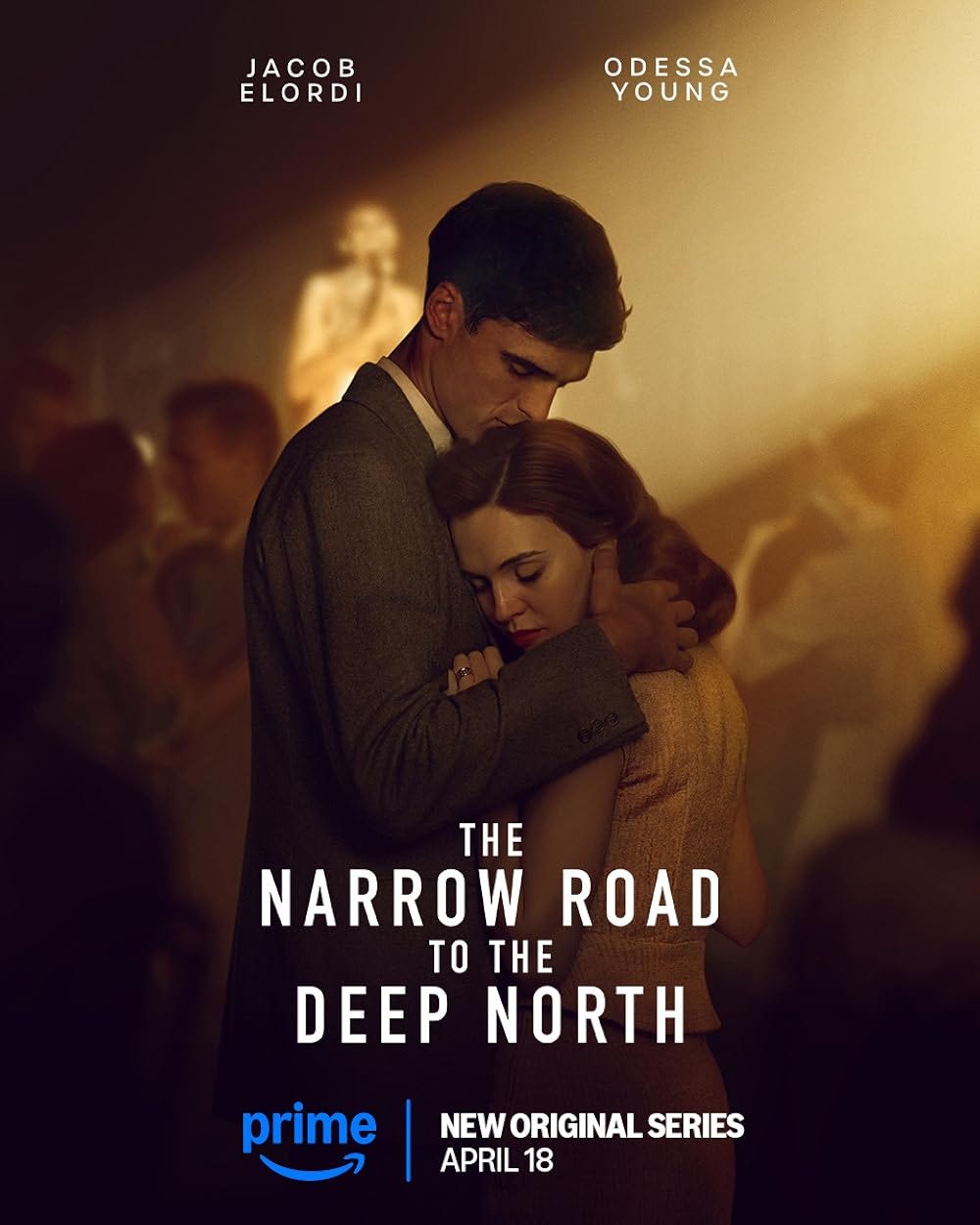
Another Kurzel project that also became available to stream on April 18 (Prime Video) is the historical drama The Narrow Road to the Deep North, a miniseries based on Richard Flanagan's Booker Prize-winning novel. The story follows Dorrigo Evans, an Australian surgeon captured by the Japanese during World War II, as he and his fellow POWs are forced to work on the Burma Railway.
But that’s just one third of the narrative, which also interweaves Dorrigo’s passionate and complicated affair before the war alongside an older version of the man, who we find juggling a professional scandal with the pain of his memories both horrifying and tender. We see a man grappling with his experiences and choices that he made before, during, and after wartime, coming to terms with love, loss, and the unbearable weight of physical and mental torment.
Kurzel directed every episode and didn’t shy away from the horrors of any of it–the life of a prisoner of war, doomed love, the anguish of memories–while still finding ways to make the images beautiful and the flow lyrical. Kurzel here is less like Mann and a little more like Terence Malick.
I would be remiss not to mention Shaun Grant, who penned the screenplay and, in fact, has written four of Kurzel’s projects, making their collaboration reminiscent of Martin Scorsese and Paul Schrader’s work together. Grant, a former schoolteacher and creative writing student, found a book about the Snowtown murders and a pair of producers put him in touch with Kurzel. After Snowtown, The True History of the Kelly Gang, Nitram, and The Narrow Road to the Deep North followed, showcasing the creative partners’ interests in similar themes, genres, and tones.
Also, for me, having seen the miniseries back-to-back with The Order, their respective scores stuck with me as much as anything–both similar in mood (haunting, delicate) and execution (ambient with memorable motifs). A couple of decades after shooting music videos for his brother’s band, Justin Kurzel hired Jed Kurzel to score every one of his projects. This is a form of nepotism I can get behind, when the scores complement the films as well as these.
Their films, scripts, and scores are notable for their distinctive styles, generally characterized by a dark, gritty, and atmospheric aesthetic. Kurzel’s frequent themes of violence, masculinity, and, again, the darker aspects of human nature, are set against rugged and often beautiful landscapes—contrasts mirroring the duality of life.
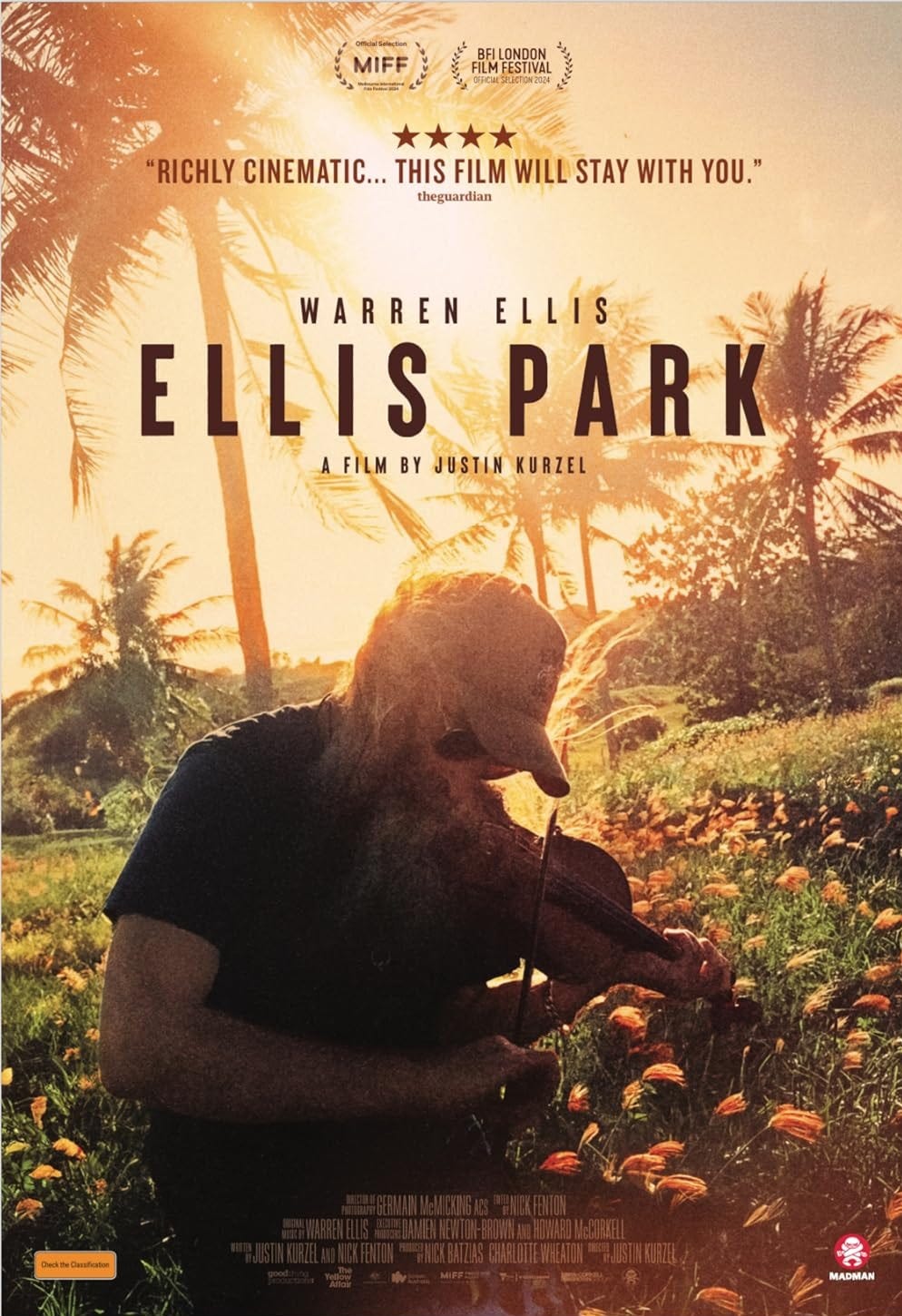
That said, Kurzel’s first documentary, Ellis Park, just finished making the festival rounds over the past year and centers on the life and work of acclaimed Australian musician and writer Warren Ellis, who is known for his collaborations with Nick Cave.
Ellis's multifaceted career is examined through interviews, archival footage, and insights into his creative process, but reviews are stating Kurzel wasn’t interested in a typical talking head documentary. Apparently, one of the prominent aspects of the film is an animal sanctuary in Sumatra, Indonesia, that rehabilitates injured creatures and releases them back into the wild or provides a dignified final chapter to their lives. Ellis is a co-founder of the sanctuary with animal rights activist Femke den Haas.
Ellis Park was released in Australia last month and has been picked up for distribution in the UK, Ireland, Spain, the Benelux region, Scandinavia and the Baltics with more territories hopefully imminent.
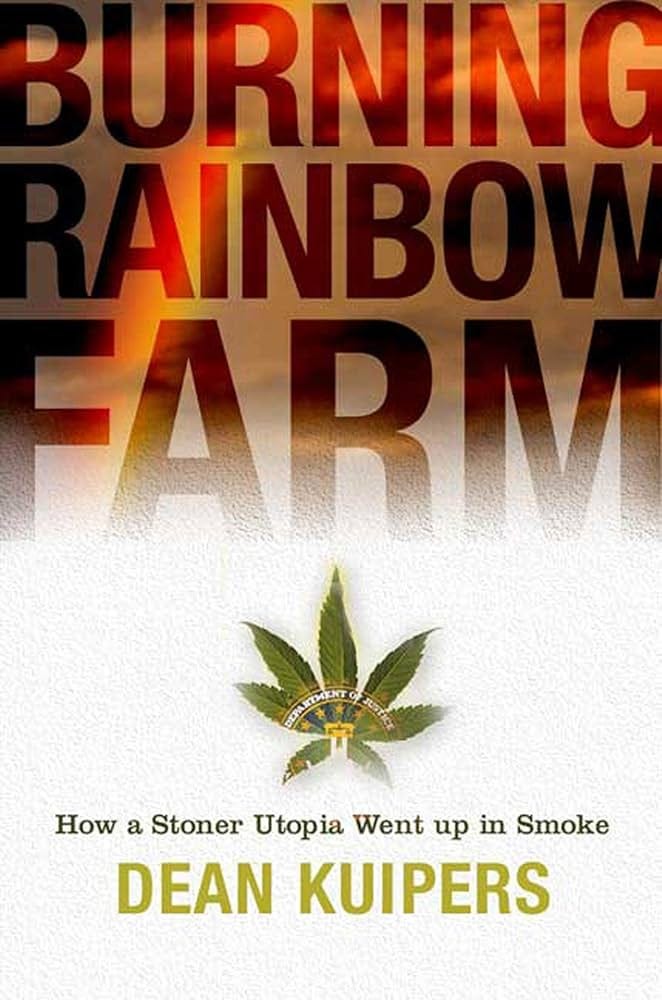
Meanwhile, Kurzel is filming his next feature, Burning Rainbow Farm, based on the non-fiction book by Dean Kuipers, which tells the true story of a controversial siege that took place in 2001 in northern Victoria, Australia. The story chronicles the events leading up to, during, and after a standoff between police and members of a self-proclaimed commune known as the "Rainbow Farm," who were growing cannabis. A prosecuting attorney wanted to confiscate the land but not before the gay couple who were living there decided to burn the farm. Sebastian Stan and Leo Woodall are set to star in the film.
I look forward to seeing both Ellis Park and Burning Rainbow Farm in the near future. Creativity begets more creativity, and his momentum doesn’t seem to be slowing down anytime soon. Additionally, Kurzel is reportedly developing a horror film with Nicole Kidman, who is attached to produce and star. That project is currently titled Mice.
Kurzel’s directorial approach can be described as intense and unflinching, going into psychologically complex characters and narratives. Men are capable of dark, dark behaviors, leaving dead bodies in their wake, and, as a true artist, Kurzel isn’t here to give us answers, or to answer anything but the call to keep making things, hopefully inspiring us to ask our own questions, knowing that when we stop asking questions, we become stagnant and dead.
Thanks for writing about Kurzel's work. I saw Snowtown years ago and one moment stands in my mind as the most disturbing scene in horror films. I haven't seen the guy's work since—but this convinced me to catch up.
So great!